



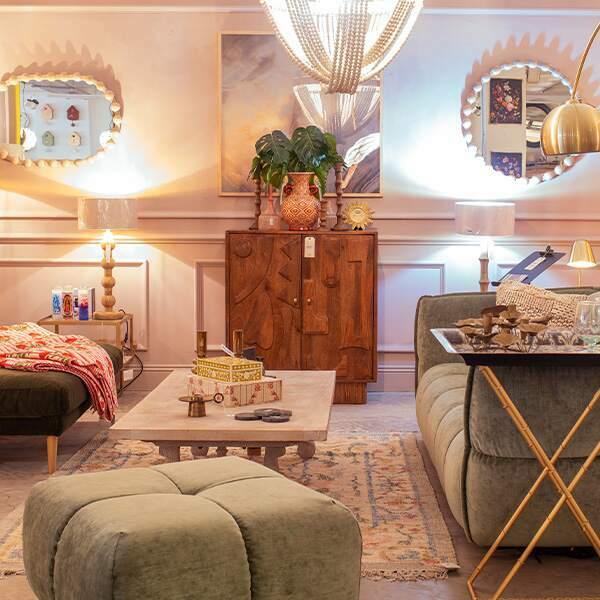
A room can feel visually complete yet still lack warmth or personality. This often happens when every surface follows the same material palette or when a single ceiling light is expected to serve every purpose. A more engaging interior usually combines functional furniture, contrasting textures and several sources of light. The furniture and homeware collection offered by Graham and Green includes decorative lighting, mirrors, seating and tables, providing a useful example of how practical elements can also establish an atmosphere rather than simply fill a room.
Give Each Part of the Room a Clear Function
Before selecting statement furniture, the room should be considered as a sequence of activities. A living room might support conversation, reading, television and occasional work, each of which benefits from a slightly different arrangement. Seating should allow comfortable movement between pieces, and side tables should be positioned where they are genuinely useful. The goal is not to occupy every empty area but to create a natural route through the space.
Scale deserves particular care. A generously proportioned armchair can be an effective anchor, yet it may dominate a smaller room when circulation is limited. Conversely, a very small occasional table can appear disconnected beside a deep sofa. The furniture range at Graham and Green includes sofas, chairs, tables and storage in varied materials and styles, making proportion a more useful starting point than trying to recreate an entire photographed room.
Layer Ambient, Task and Accent Lighting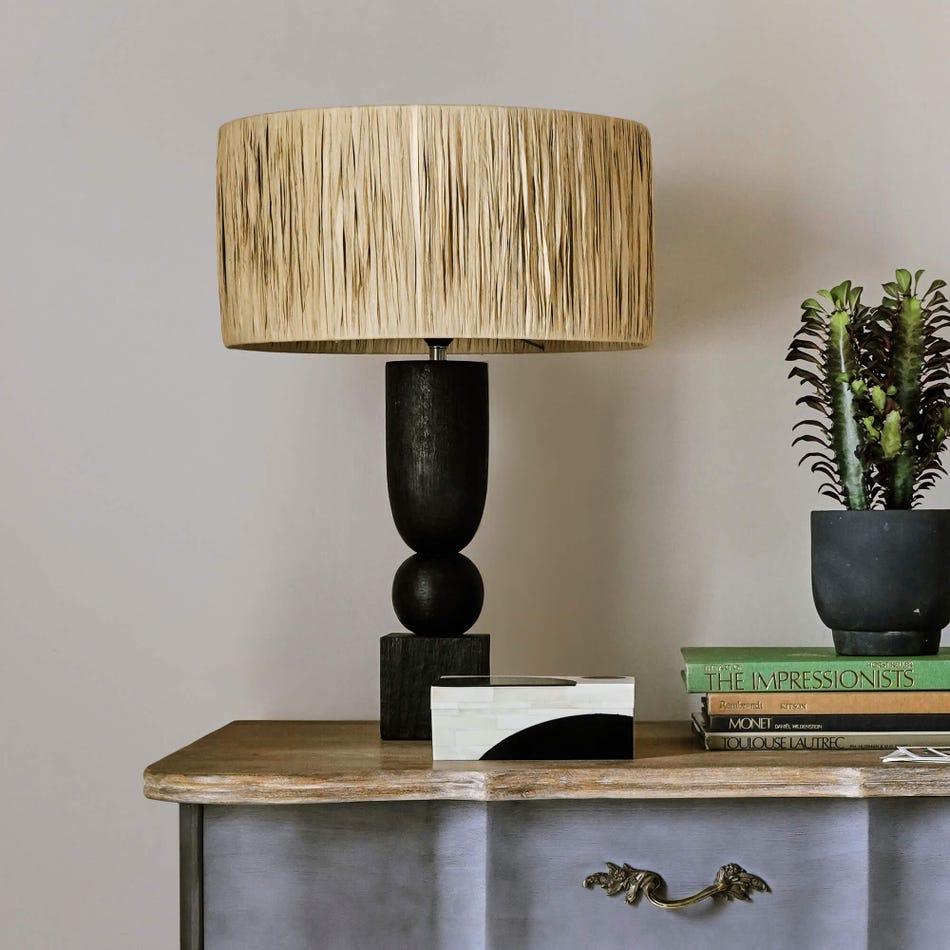
Lighting works best when it is distributed across several sources. Ambient light establishes general visibility, task lighting supports activities such as reading and accent lighting gives attention to a particular wall, object or architectural feature. Combining these roles prevents a room from depending entirely on one bright central fixture. It also allows the mood to change as daylight fades and the room's purpose shifts from active use to relaxation.
The lighting selection from Graham and Green includes table lamps, floor lamps, pendants and wall lights, some with decorative forms that can become focal points. Such pieces should still be assessed for practical performance. The direction of light, shade material, compatible bulb and position of the switch may affect how useful a lamp proves to be. A visually dramatic fitting is most successful when it also provides the right quality of light for its location.
Combine Texture Without Creating Visual Noise
Texture gives a room depth even when the palette remains restrained. Linen upholstery, velvet seating, timber surfaces and woven materials reflect light differently and encourage a more layered impression. Contrast is often more effective than repetition. A soft chair beside a smooth table can create balance, while too many high-shine finishes may compete for attention. The same principle applies to patterns, which are easier to appreciate when they have quieter surroundings.
The home collections associated with Graham and Green include distinctive finishes and decorative accents that can introduce personality into an otherwise simple scheme. However, character does not require every object to be unusual. A single expressive lamp or patterned chair may be enough to establish the room's identity. Supporting pieces can then repeat one material, tone or shape so that the overall composition feels connected rather than assembled at random.
Details to Review Before Rearranging a Room
- Measure circulation space before choosing larger furniture pieces.
- Place task lighting where activities actually take place.
- Mix tactile materials while keeping a coherent colour relationship.
- Test mirror placement for reflected light and unwanted glare.
- Consider cleaning, durability and maintenance alongside appearance.
Practical checks help turn a design idea into a comfortable room. A mirror can make a compact area feel brighter, but it may reflect clutter or an inconvenient light source when poorly positioned. Similarly, a fabric that looks appealing in photographs may not suit a household's cleaning needs. Design decisions should be tested against everyday routines rather than aesthetic preference alone.
Let Small Changes Do Meaningful Work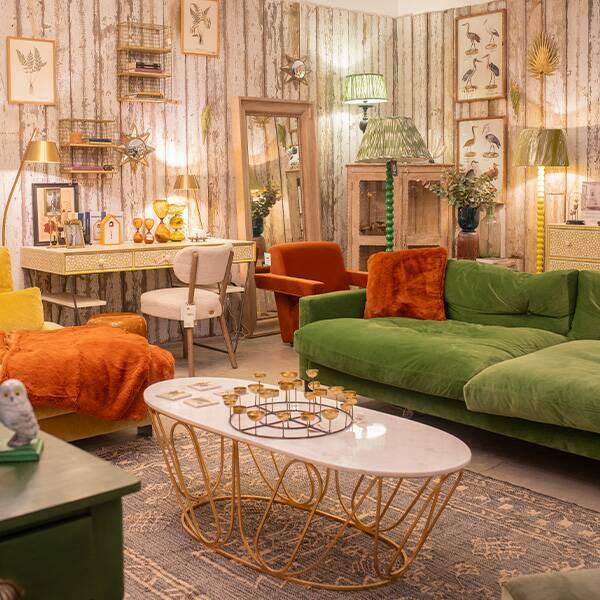
Not every interior improvement requires replacing major furniture. A different lamp position can soften the atmosphere, a mirror can redirect attention and a carefully chosen side table can make a seating area more useful. Moving existing pieces often reveals where another object is genuinely needed. This restrained approach can also create room for decorative choices that are more personal and less dependent on short-lived trends.
A useful way to assess a room is to view it at different times of day. Strong afternoon sunlight may make a reflective surface attractive, while evening use can reveal dark corners or harsh contrasts. Testing furniture positions and lamp placement before committing to major purchases helps expose these changes. Photographs taken from the room's main entrances may also reveal whether visual weight is distributed evenly.
The varied collection from Graham and Green supports an approach in which lighting and furniture are selected for both character and function. A home tends to feel inviting when its rooms make daily activities comfortable while offering enough visual variety to remain interesting. Through better scale, thoughtful materials and lighting placed with purpose, even familiar interiors can become more coherent and welcoming.