



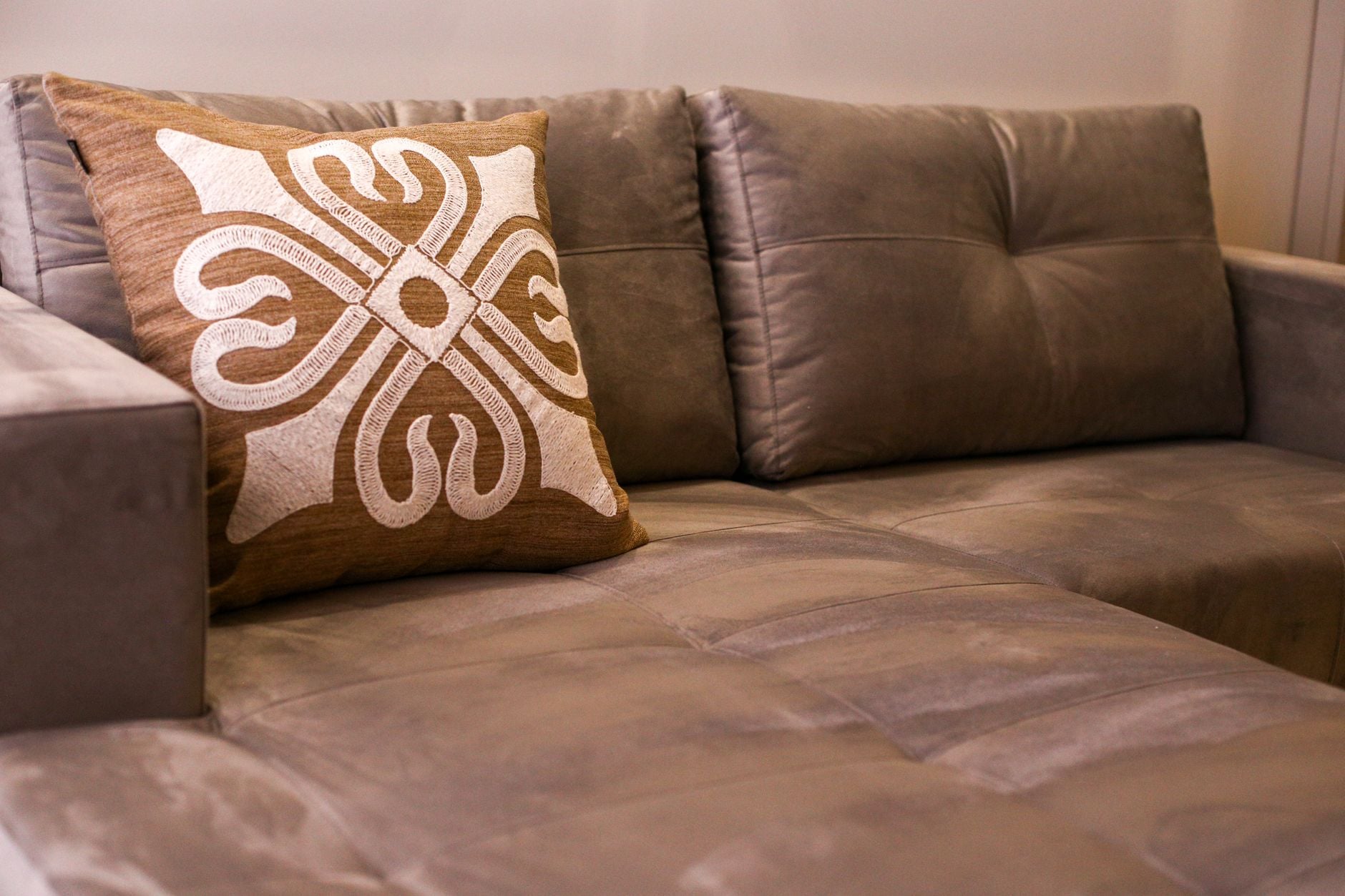
Choosing between sofa shapes and upholstery materials often comes down to how a room is actually used day to day. A clear look at sofa types compared side by side helps narrow down whether fabric, leather, corner, modular, chaise, or compact seating suits a particular space. Sofology stocks a wide spread of these configurations, which makes a side-by-side review of the categories useful before any decision is made.
Fabric Sofas vs Leather Sofas at Sofology
Fabric and leather remain the two upholstery choices most shoppers weigh up first. Fabric options at Sofology span woven weaves, textured finishes, and performance materials designed to resist everyday wear, giving a softer look to a living room. Leather ranges, by contrast, bring a smoother surface and a more structured appearance that tends to suit a slightly more formal setting.
Beyond looks, the two materials behave differently over time. Fabric generally offers more pattern and colour variety, while leather ages with a visible patina and often needs less frequent cleaning. Neither material is universally better, since the right pick depends on household habits, light exposure in the room, and whether pets or children use the space often.
Corner Sofas and Modular Arrangements in the Range
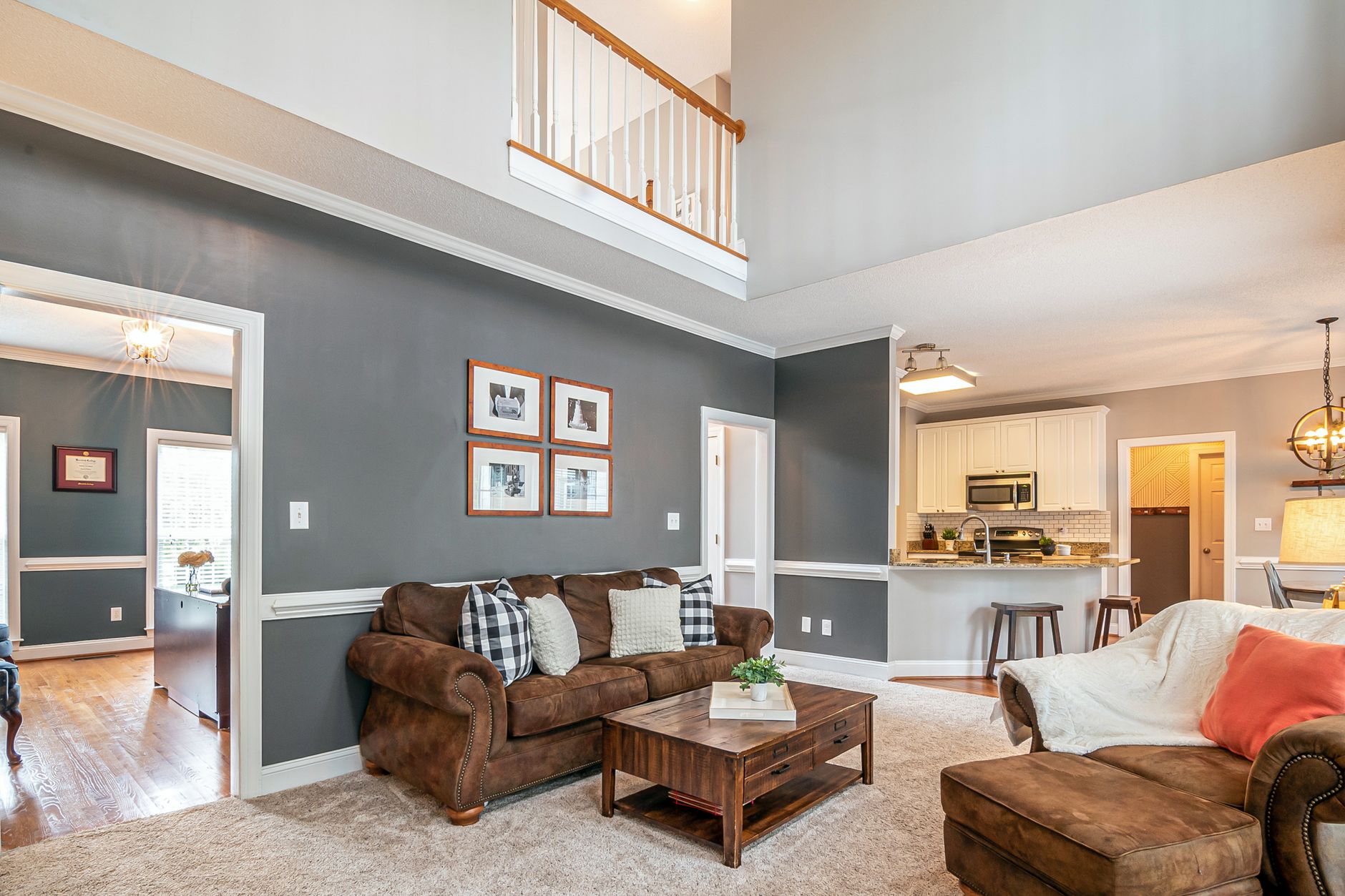
Corner sofas are built to fill an angled space efficiently, wrapping seating around a room's layout rather than sitting against a single wall. Sofology lists corner options in various hand orientations, which allows the chaise end to sit on either side depending on the room. This flexibility is one of the clearer examples of how upholstered seating can be judged on practical grounds rather than style alone.
Modular arrangements take that flexibility further by splitting a sofa into separate sections that can be rearranged. A household can reconfigure the pieces into a corner shape, a straight run, or two smaller seating areas as needs change. That adaptability makes modular ranges a common choice for open-plan rooms where furniture sometimes needs to shift position.
Chaise Sofas and Extended Seating Configurations
A chaise sofa adds an extended section at one end, giving a longer surface for stretching out rather than sitting upright. This differs from a standard corner sofa because the chaise unit is usually a fixed extension rather than a full wraparound seating block. The result is a silhouette that reads as more streamlined in a smaller or narrower room.
Extended seating configurations like this also change how a room gets used socially. A chaise end often becomes a secondary lounging spot separate from the main run of seats, which suits households that want one casual zone and one more upright zone in the same piece. For anyone weighing sofa types compared by function rather than appearance, this distinction between chaise and corner styles is worth noting.
Sofology Armchairs and Single-Seat Options
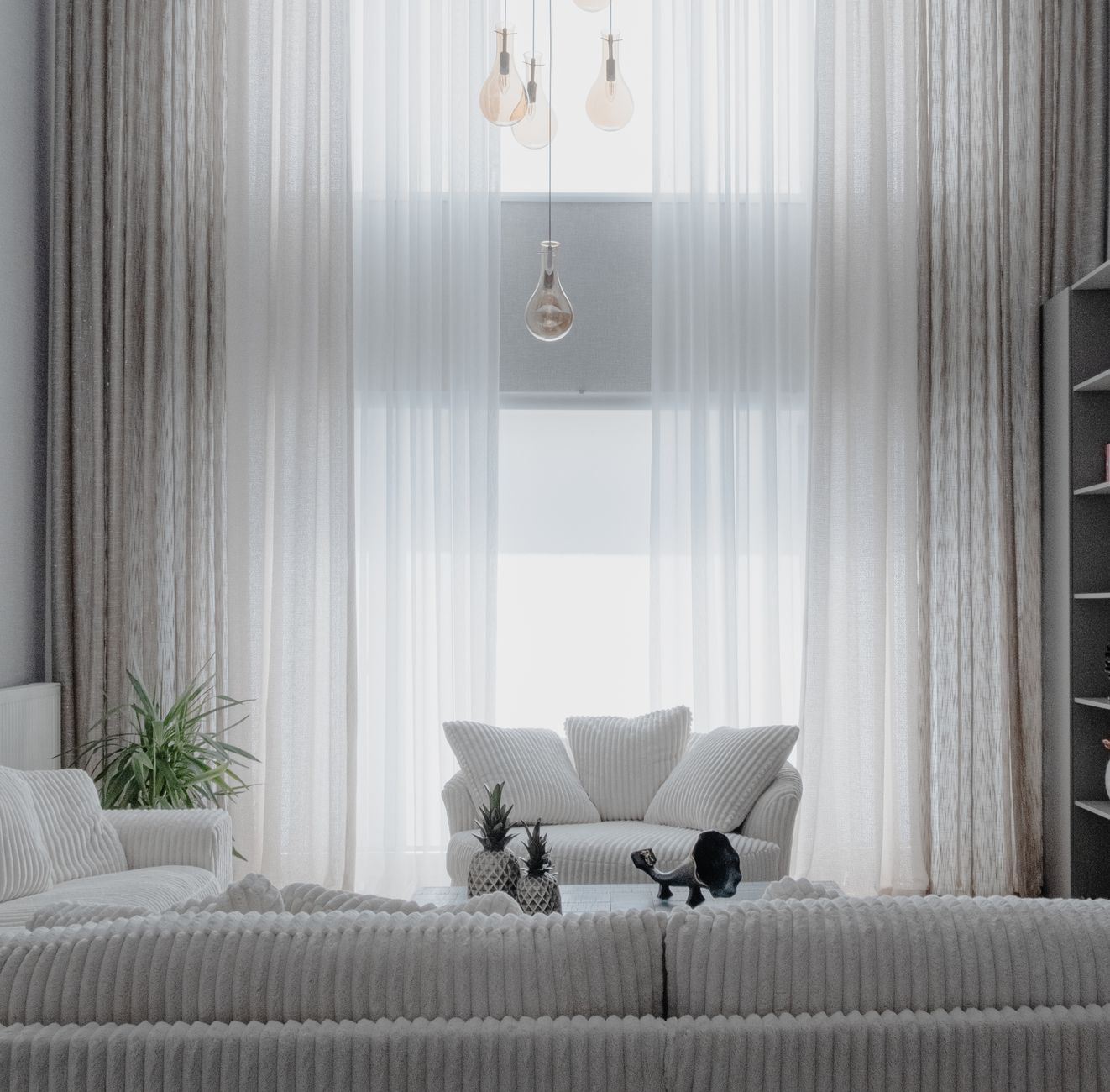
Armchairs fill a different role entirely, offering a single seat that can stand alone or complement a larger sofa. Sofology's armchair options generally echo the fabric and leather choices available across the sofa ranges, so a matching look across a room is possible. Single-seat pieces also suit smaller rooms, home offices, or reading corners where a full sofa would not fit.
Because armchairs take up less floor space, they are often used to add extra seating without committing to another large piece. A pair of armchairs facing a sofa, for instance, creates a different conversational layout than a sofa alone. This makes them a useful supplementary option rather than a replacement for larger seating.
2, 3, and 4 Seater Sofas: Size and Capacity Across the Collection
Seating capacity is one of the simplest ways to judge fit across a showroom floor. A 2 seater suits a compact living room or a secondary snug, while a 3 seater is generally treated as the standard size for a main living space. Larger households, or rooms built around entertaining, often look toward 4 seater options for extra capacity without moving to a full corner or modular layout.
Choosing between these sizes usually comes down to room dimensions and household size rather than style alone, and matching capacity to the available floor space tends to produce the most workable layout, since an oversized piece can crowd doorways and walking routes even in an otherwise spacious room. A narrow room might only have space for a 2 seater alongside an armchair, whereas an open living area could comfortably take a 4 seater plus additional pieces. Sofology's spread of sizes within each range means the capacity decision rarely forces a compromise on fabric or leather choice.
- Fabric upholstery generally offers broader colour and pattern choice, while leather tends to age with a visible patina.
- Corner sofas wrap seating around a room's angles, whereas chaise sofas add one fixed extended section at a single end.
- Modular pieces can be rearranged into different shapes, unlike fixed corner or standard sofa frames.
- Armchairs provide single-seat flexibility that complements a larger sofa rather than replacing it.
- Seating capacity across 2, 3, and 4 seater sofas scales directly with room size and household needs.
- Sofa beds combine everyday seating with an occasional sleeping function in one piece of furniture.
Sofa Beds and Multi-Functional Pieces
Sofa beds serve a dual purpose, functioning as everyday seating while folding out into a sleeping surface when needed. This makes them a practical option for smaller homes, guest rooms, or any space where a dedicated spare bed is not possible. Sofology includes sofa bed options within its wider range, which extends the comparison of sofa types compared beyond seating alone into occasional sleeping arrangements.
Multi-functional pieces like these often involve a trade-off between seating comfort and mechanism complexity. A household weighing up a sofa bed against a standard sofa and a separate guest bed needs to think about how often overnight guests actually stay. For some, the space saved by a single multi-functional piece outweighs the added mechanism underneath the cushions.
Looking across fabric, leather, corner, modular, chaise, armchair, and sofa bed options together shows how differently each one solves the same basic problem of seating a room.