




Deciding between serums vs moisturisers often comes down to texture, but the two formats actually work on different layers of skin. Balance Me builds its range around that distinction, pairing lightweight treatment serums with richer creams designed to seal hydration in. Understanding how each texture behaves makes it easier to see why a routine often calls for both rather than one or the other.
Serum Formulations: Lightweight Delivery of Concentrated Actives
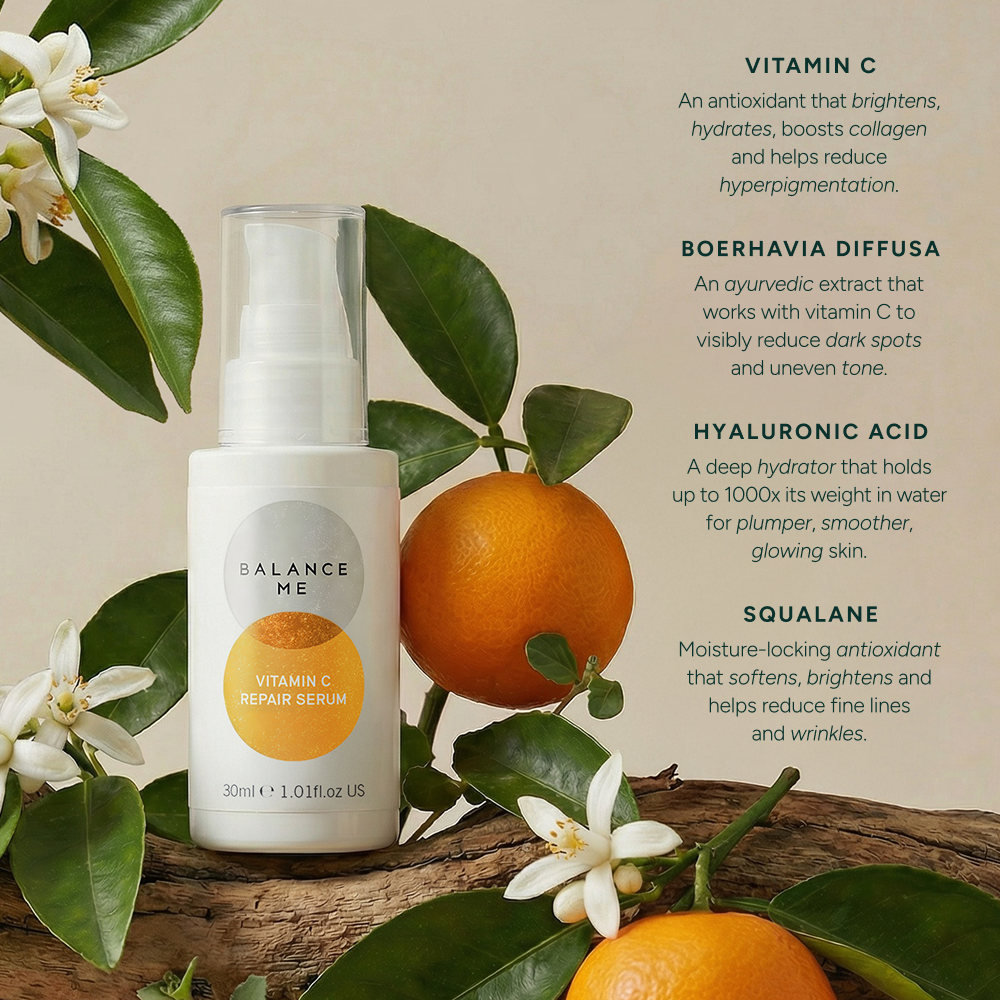
Serums tend to carry a higher concentration of active ingredients in a thinner base, which lets them sit closer to the skin's surface. Balance Me's Vitamin C Repair Serum is described as a lightweight, hydrating formula built to boost glow, and its texture is thin enough to absorb before a cream goes on top. The Tri-Molecular Hyaluronic Serum follows a similar logic, using a triple-weight hyaluronic acid to instantly plump, tighten, hydrate, and strengthen skin, with 82% of a 71-woman panel reporting more hydrated skin after 30 days.
Because serums carry fewer heavy emollients, they tend to absorb quickly and leave little residue. This is part of why the debate around serums vs moisturisers so often centres on sequencing rather than substitution. A serum delivers its actives fast, while a cream is left to manage the longer job of holding moisture in place.
Moisture-Lock Moisturisers: Collagen Boost and Tripeptide Plumping Cloud Cream Compared

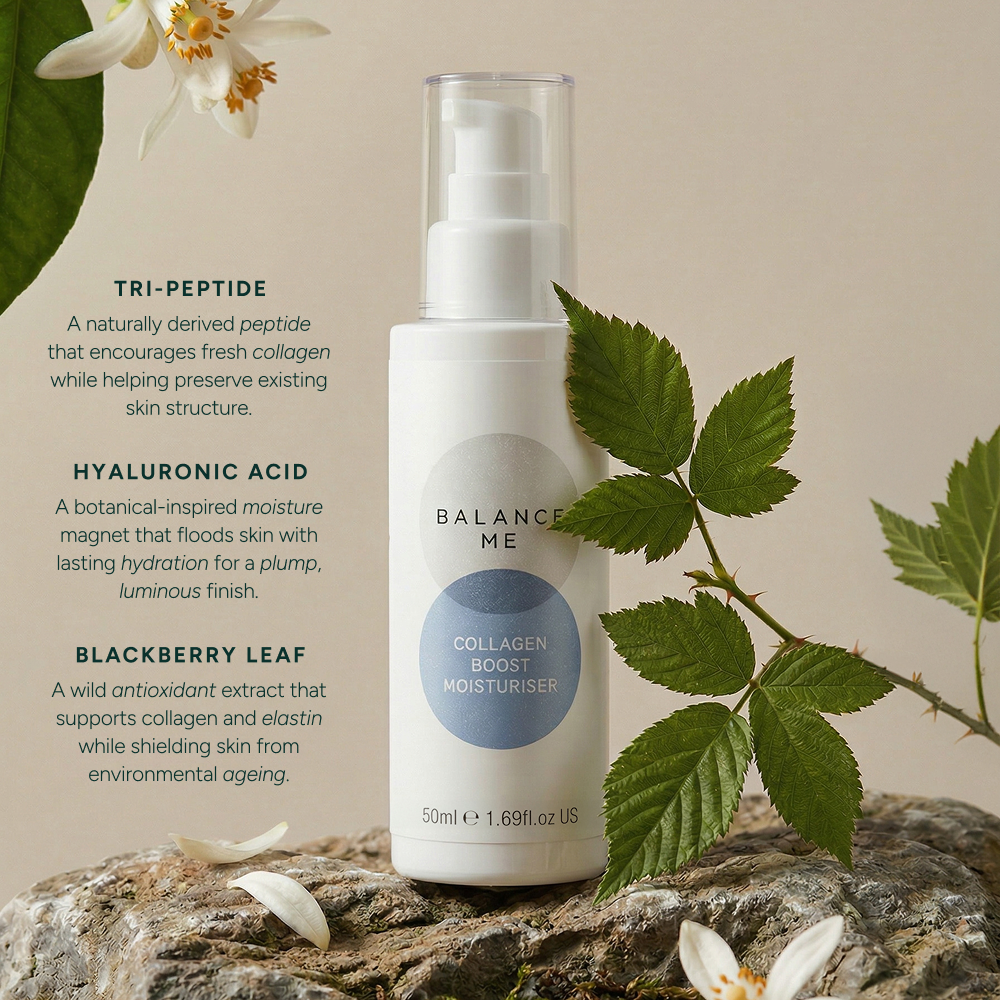
Balance Me's Collagen Boost Moisturiser is positioned as a firming cream for lines and wrinkles, formulated to boost skin elasticity and firm the complexion, and it is also described as enhancing skin's ability to restore and repair itself. In a 56-woman panel, 84% felt skin was plumper and more hydrated after 30 days, while a separate 80-woman panel recorded 96% reporting more hydrated skin after using the Tripeptide Plumping Cloud Cream over the same period. That kind of sustained result reflects what a moisturiser is built to do, which is hold hydration in over time rather than deliver an instant hit.
The Tripeptide Plumping Cloud Cream takes a related but distinct approach, combining tripeptides with ceramides to support bounce and glow. Both creams share a thicker, richer texture than any serum in the range, which is consistent with their role as the final, sealing step of a routine. That textural contrast is often the clearest way to tell the two formats apart at a glance.
Hyaluronic Acid Across the Range: Tri-Molecular Serum vs Plumping Mist
Hyaluronic acid appears in more than one Balance Me format, and the weight of the molecule used shapes how each product behaves. The Tri-Molecular Hyaluronic Serum is formulated to lock moisture in for all-day hydration, particularly for dehydrated, dry, sensitive, and mature skin types. That focus on skin type, rather than instant effect, is what separates it from a quick-refresh format.
The Hyaluronic Plumping Mist takes the opposite approach to molecular weight, using a low-weight hyaluronic acid delivered in a super-fine, fast-absorbing spray. It is designed to inject hydration into thirsty skin instantly and can be reapplied throughout the day to plump, calm, and hydrate. Comparing the two shows how the same ingredient performs differently depending on format, one built for sustained hydration and the other for an on-the-spot refresh.
Brightening Serums: Vitamin C Repair and Azelaic Dark Spot Serum for Targeted Concerns
Not every serum in the lineup targets the same concern, and the brightening pair illustrates that clearly. The Vitamin C Repair Serum is formulated to brighten, hydrate, and boost elasticity, reducing the appearance of pigmentation and uneven tone while refining the look of lines. It is aimed at all skin types, particularly those dealing with dehydration, dullness, hyperpigmentation, and fine lines.
The Azelaic Dark Spot Serum is described as a lightweight formula that targets pigmentation at every stage, working toward a more unified, radiant-looking complexion. Where the Vitamin C option addresses dullness and overall glow, the Azelaic serum is positioned more specifically around dark spots. Together they show how a serums vs moisturisers comparison shifts once pigmentation, rather than hydration, becomes the main concern.
Layering Serums and Moisturisers: Order, Timing and Texture Compatibility
Texture is the practical reason serums go on before creams. A thin, fast-absorbing serum applied first can settle into skin without being blocked by a heavier layer, while a cream applied afterward seals that hydration in. Balance Me describes its own pairings in similar terms, such as the Vitamin C Repair Serum used alongside a foaming cleanser so the serum can work effectively once skin is clean.
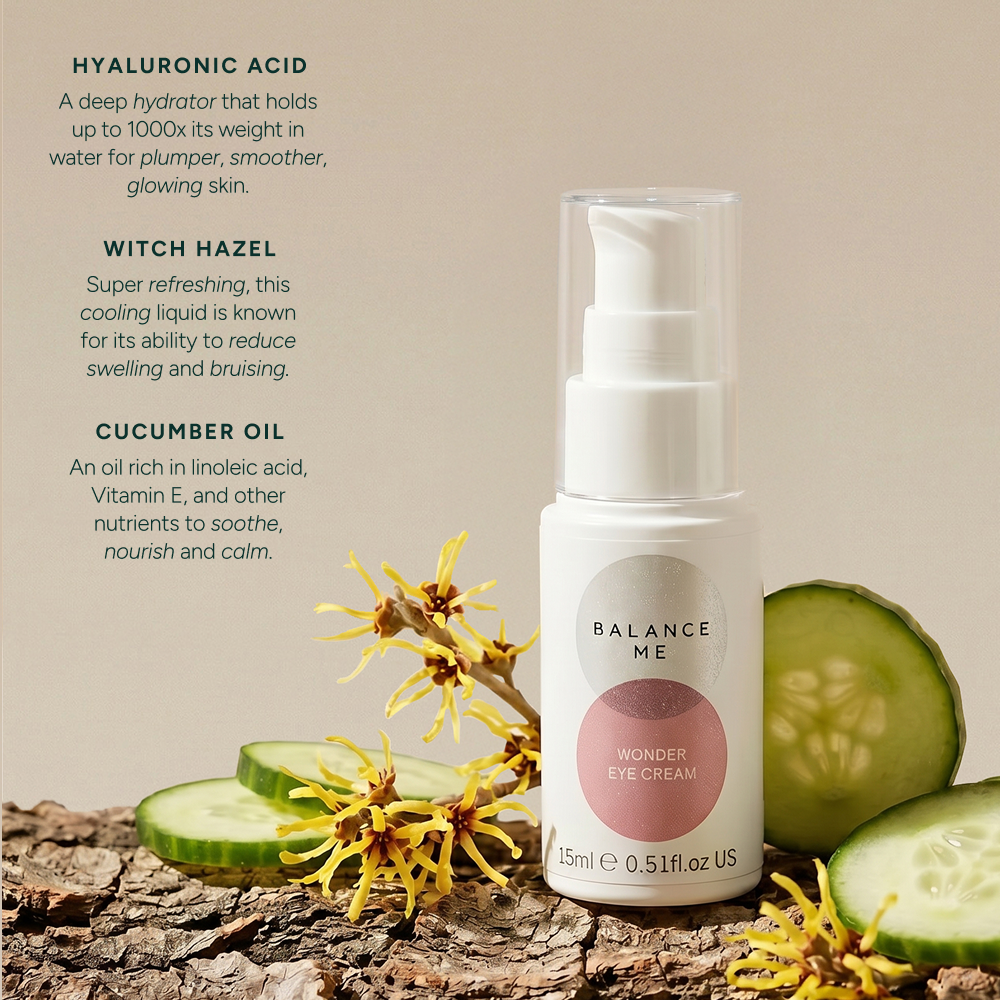
Compatibility also comes down to finish. A thin serum under a rich cream like the Tripeptide Plumping Cloud Cream does not fight for space the way two heavy textures might. The brand's own product pairings, including a Firm + Brighten duo combining an eye cream with the Vitamin C Repair Serum, reflect this same layering logic applied to a smaller area of the face.
Building a Multi-Step Ritual with Balance Me's Complementary Formulas
Several Balance Me product sets are built explicitly around this serum-then-cream structure. The Bestselling Trio combines targeted eye care, antioxidant protection, and collagen support in a single ritual meant to move from the delicate eye area to the full complexion. Similarly, the 3 Steps to Plumper Skin set pairs a face wash with the Tri-Molecular Hyaluronic Serum, showing how a cleansing step, a serum step, and a final treatment step are meant to work in sequence.
These pairings are not simply about using more products. They reflect a structure where each texture does a distinct job, from the gentle cleansing provided by the Pure Skin Face Wash to the firming work handled by the Collagen Boost Moisturiser. Looking at serums vs moisturisers through the lens of a full ritual, rather than as a single either-or choice, is how the range appears to be arranged.
- Serums in the range tend to rely on actives like vitamin C, azelaic compounds, and hyaluronic acid suspended in thin, fast-absorbing bases.
- Moisturisers such as the Collagen Boost Moisturiser and Tripeptide Plumping Cloud Cream use richer bases built around tripeptides and ceramides to hold moisture at the skin's surface.
- The Tri-Molecular Hyaluronic Serum uses triple-weight hyaluronic acid aimed at sustained, all-day hydration.
- The Hyaluronic Plumping Mist uses a low-weight hyaluronic acid designed for instant, repeatable absorption throughout the day.
- Lighter serum textures generally sit closer to the skin's surface, while thicker moisturiser textures generally sit on top to lock hydration in.
Across the range, the contrast between a fast-absorbing serum and a hydration-sealing cream is less about which texture wins and more about timing each one correctly.