



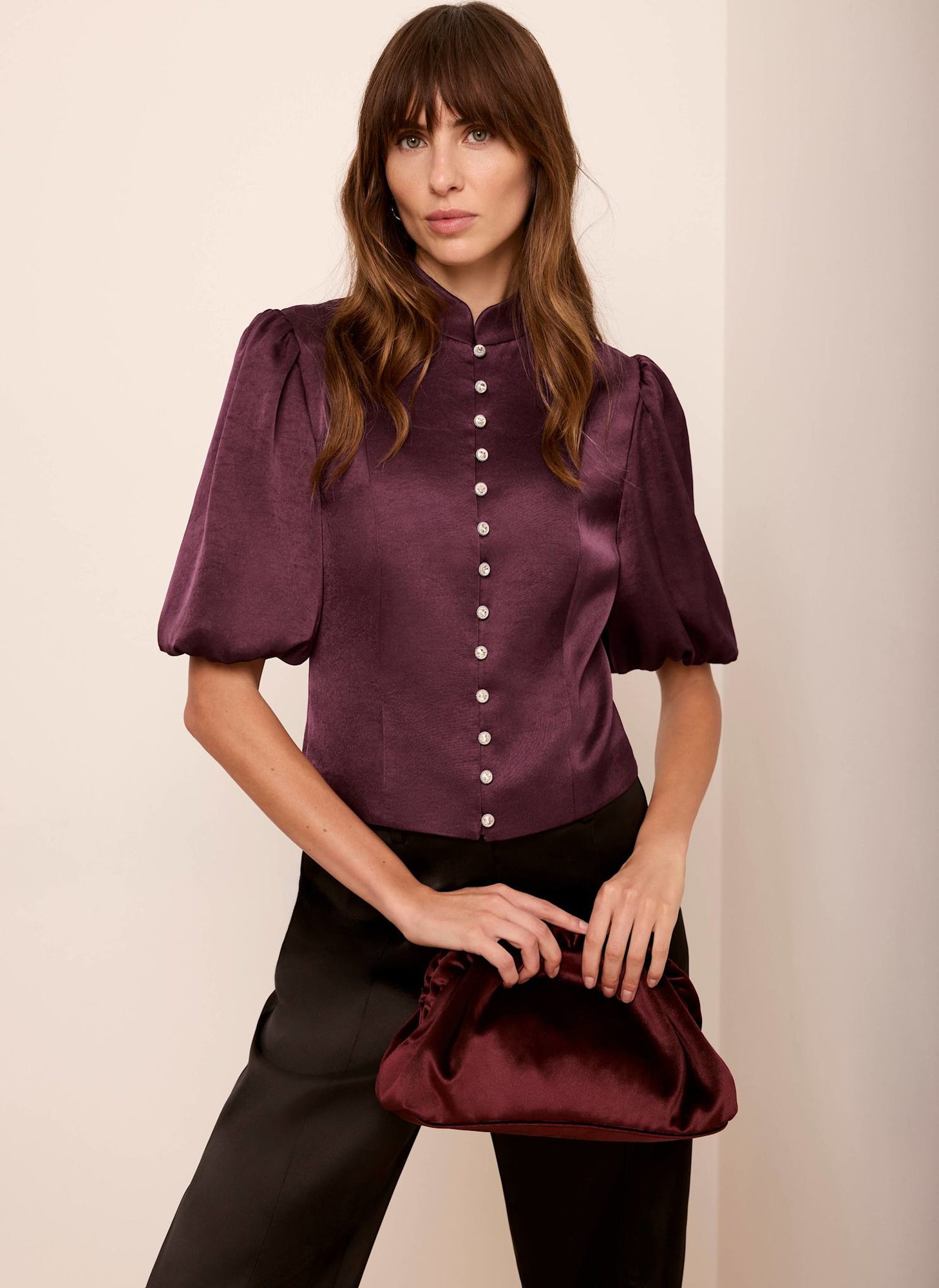
Knitwear care is full of confident-sounding advice that does not hold up once a jumper actually starts to pill. Many of the common knitwear pilling myths blame the wearer, the washing machine, or bad luck, when the real explanation usually sits in the fibre itself. This article looks at what actually causes pilling, what tools like a sweater comb can and cannot fix, and where Mint Velvet's own product guidance offers a more grounded view of knit care.
Understanding Pilling in Knitwear: Myth vs. Reality
One of the most persistent knitwear pilling myths is that pilling only happens to cheap, poorly made garments. In reality, pilling is a mechanical process. Fibres rub against each other during wear and washing, and loose ends tangle into small balls on the surface. That happens to luxury knitwear as readily as to basic separates, which is why even carefully constructed jumpers develop pills over time.
Another myth claims that pilling means a garment is falling apart. That is rarely true. Pilling is a surface effect, not a sign of structural failure, and many knitted pieces stay perfectly wearable long after the first pills appear. Mint Velvet's knitwear range, which spans cardigans, knitted tops, jumpers, patterned knits, and knit dresses, is designed with that reality in mind rather than a promise of a pill-free life.
Why Quality Yarns Still Pill: Fibre Type, Not Just Price
Fibre type matters more than price point when it comes to pilling. Shorter, finer fibres are more likely to work loose and form pills than long, smooth ones, regardless of how refined the finished garment looks. That is one reason softer, fluffier knits often pill faster than tightly spun, smoother yarns, a point that many knitwear pilling myths overlook entirely.
Blended yarns add another layer to the story. The Grey Cashmere Wool Blend Shoulder Pad Jumper and the Black Metallic Wool Blend Asymmetric Top both pair cashmere or wool with a second fibre, which changes texture and drape without changing how pilling behaves. Blending fibres does not exempt a knit from the normal pilling process that affects most wool- and cashmere-based pieces.
The Sweater Comb: What It Does and Doesn't Fix

A sweater comb is a simple mechanical tool, not a repair device. Mint Velvet sells an embossed sweater comb specifically to pick up stray pills from jumpers and cardigans, leaving smoother yarn behind. Used correctly, it lifts the loose pilled fibre off the surface without reweaving or restoring the knit itself.
It is worth being clear about its limits too. The product listing states plainly that the comb is not recommended for knotty yarns or fibres, a caution that separates fact from the gentler version of knitwear pilling myths people tend to repeat. A comb removes what has already pilled; it does not prevent pilling from starting again on a different area of the same garment.
Washing and Storage Mistakes That Damage Knitwear
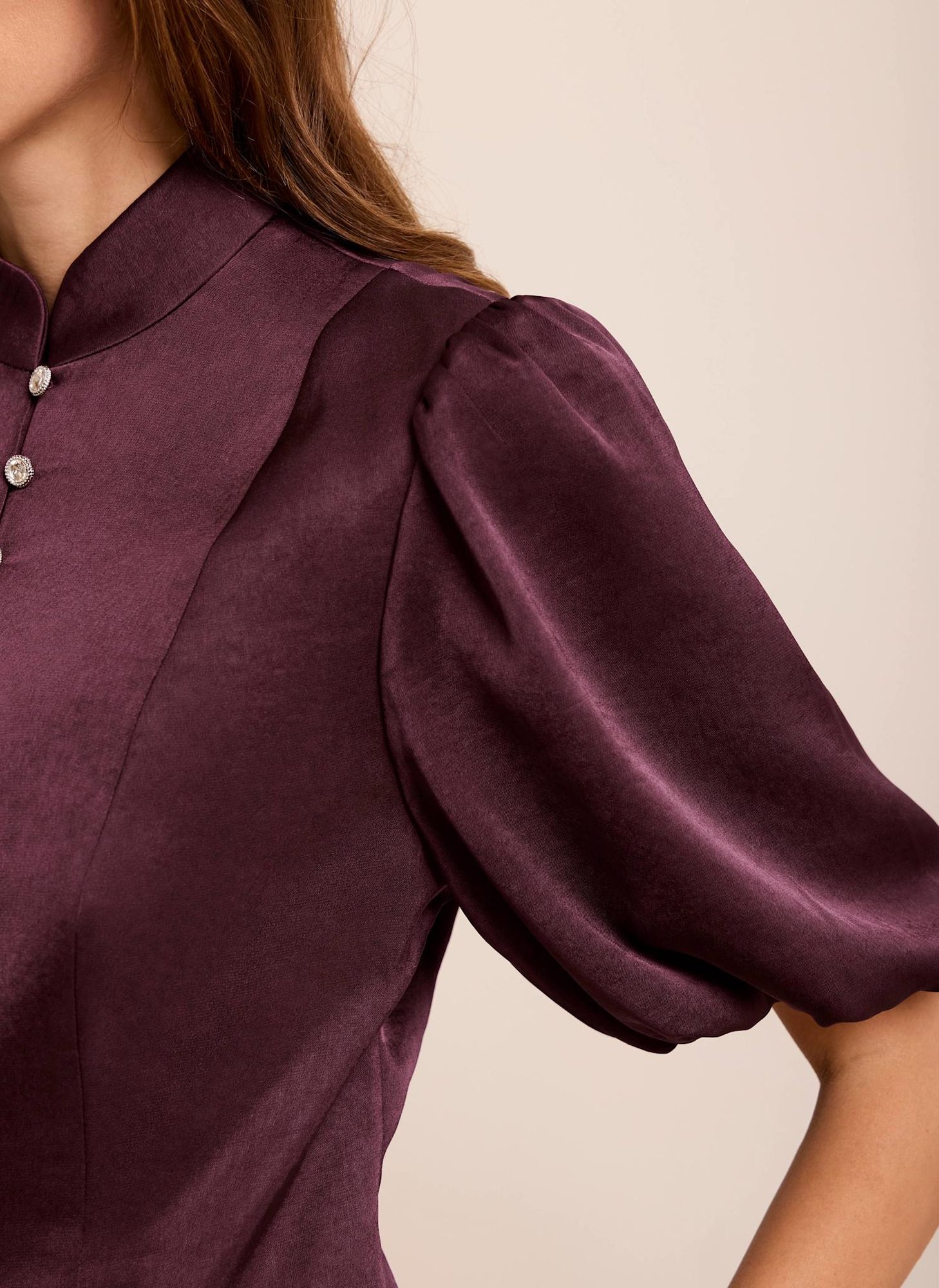
Washing habits cause more visible damage to knitwear than pilling itself ever does. Friction from a washing machine drum, high spin speeds, and mixing knits with rougher fabrics like denim all accelerate surface wear. Folding instead of hanging also matters, since hanging heavier knits can stretch the shoulders out of shape over time.
Storage mistakes compound the problem. Cramming jumpers into a tightly packed drawer increases friction between garments every time one is pulled out or pushed back in. That friction is one of the most overlooked contributors to pilling, often mistaken for a flaw in the knitwear itself rather than a result of how it was stored.
- Assuming that tumble drying is harmless because the label allows a low heat setting, when repeated heat exposure still stresses delicate fibres.
- Believing that a single wash on a normal cycle cannot cause pilling, despite friction from spinning being one of its main causes.
- Thinking a fabric shaver or comb should be used daily, when overuse can thin out the yarn's surface.
- Storing jumpers on hangers out of habit, which can misshape the shoulders of heavier knitted pieces.
- Treating all pilling as a quality defect rather than a normal outcome of wear and fibre type.
Cashmere and Wool Blend Care: Debunking Common Myths
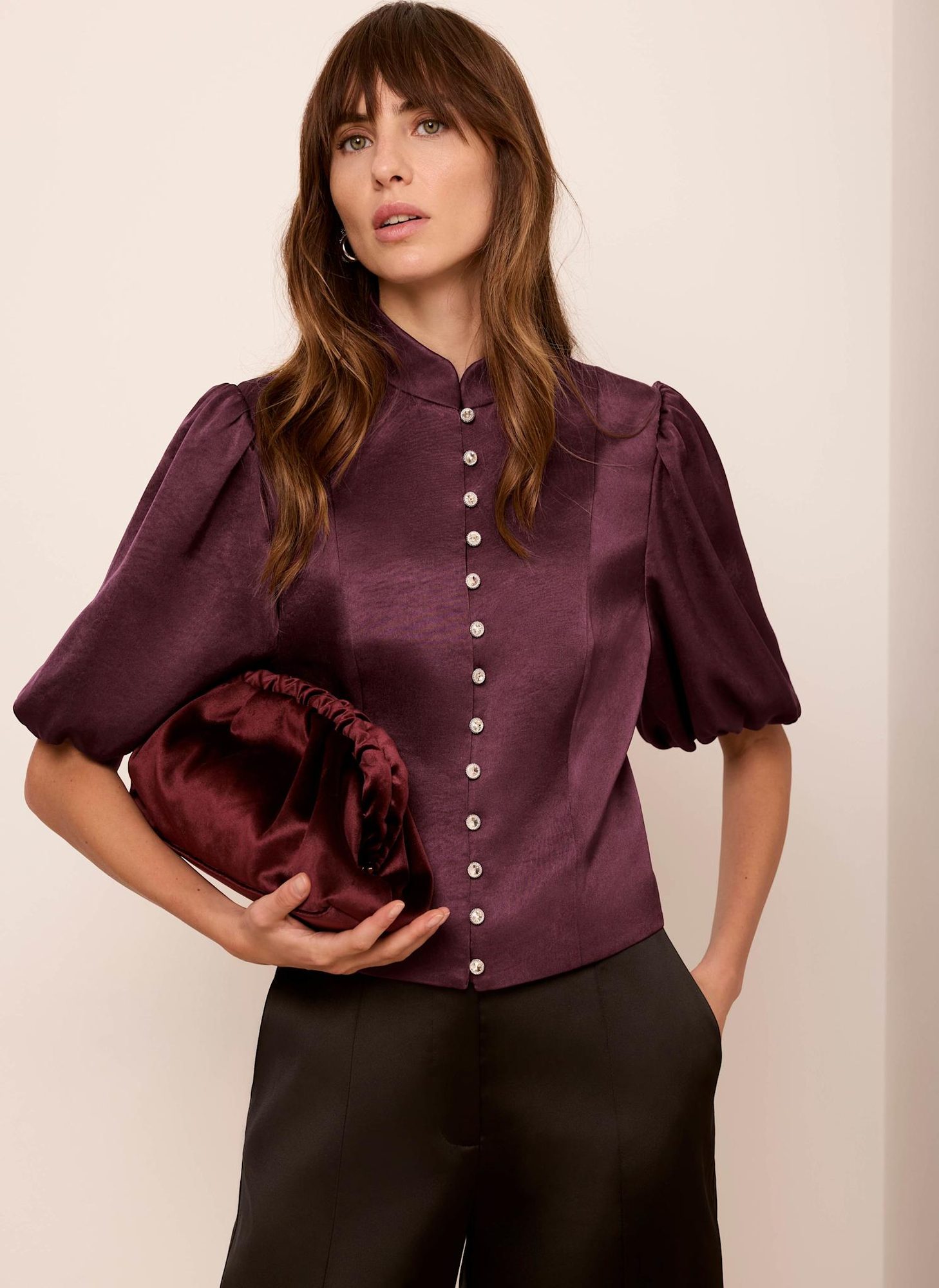
Cashmere and wool blends attract a particular set of myths, mostly because the fibres are associated with luxury rather than practical care. One common claim is that blended knitwear needs no special handling because the synthetic or wool component makes it tougher. That overlooks the fact that cashmere fibres within a blend still behave like cashmere, pilling and matting under the same conditions as a pure cashmere knit.
The Cream Wool Cape Detail Knit Jumper sits within a wider knitwear range that Mint Velvet describes as made with luxurious fabrics for different occasions, rather than as low-maintenance basics. Recognising that a blend still carries the care needs of its component fibres helps cut through some of the more optimistic knitwear pilling myths circulating around cashmere specifically.
Knotty Fibres and Unsuitable Materials: When Tools Won't Help
Not every pilling problem has a tool-based solution, and this is where many care myths break down completely. Mint Velvet's own product guidance for the sweater comb is explicit that the tool is not meant for knotty or textured yarns, since combing them can pull at the structure rather than simply lifting loose pills.
Patterned knits, textured cable pieces, and novelty yarns are more likely to fall into this knotty category than a smooth, flat-knit jumper. For these pieces, the more reliable approach is prevention through gentler washing and storage rather than relying on a comb after the fact. That distinction, between removable surface pilling and structurally knotted fibre, is the clearest dividing line between knitwear myth and practical fact.
Fibre awareness and sensible handling do more for a knit's long-term look than any single tool ever could.